
Gold Panning in Washington: Yes, It’s a Thing (And It’s Fun!)
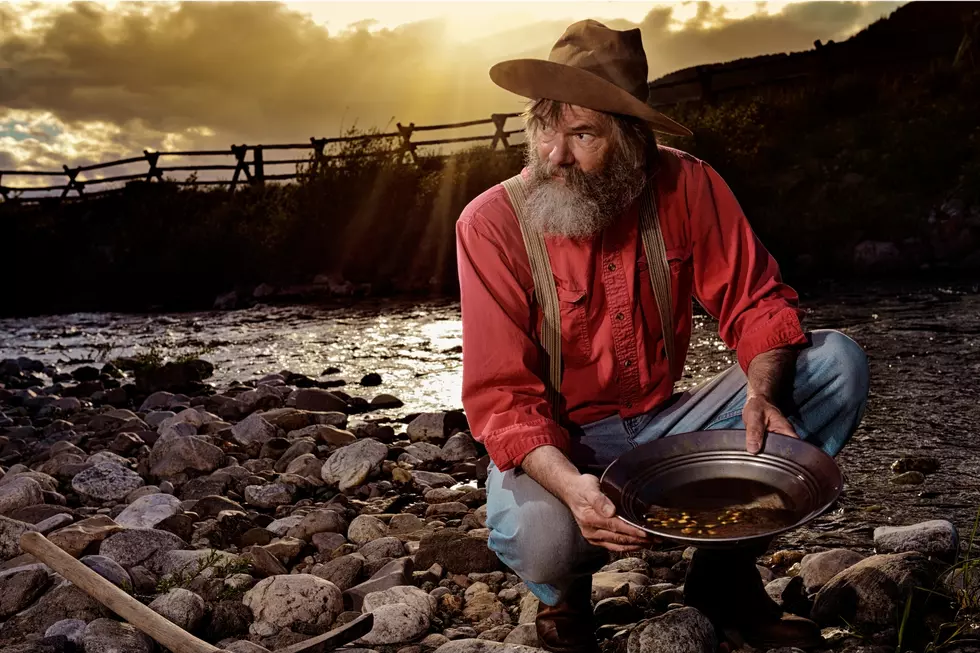
When you think of searching for gold, do you picture an old-timey prospector with a scraggly beard, a pickaxe, and a mule named “Bessie,” shouting “There’s gold in them thar hills!”? Or maybe your brain flashes to those reality TV guys in the Alaskan wilderness, driving bulldozers like bumper cars and spraying entire mountainsides with water cannons the size of fire hoses?
Well, guess what? You don’t need a mule, a beard, or a production crew. There is gold to be found right here in Washington—you just need to get outside, grab a pan, swirl some dirt, and who knows? You might just catch a bad case of gold fever. (Side effects may include staring at riverbeds, yelling “Eureka!” unironically, and excessive flannel use.)
You might be thinking, “Okay, but where do I pan? I’m ready to strike it rich and quit my day job!” Easy there, prospector. Washington’s got you covered with gold-rich rivers just waiting for someone with a pan, a dream, and maybe a slightly overdeveloped sense of optimism.
Here are a few hotspots:
Cle Elum River – Especially near Liberty, Roslyn, and Ronald. Legend has it, even the local squirrels have retirement accounts.
Okanogan River – Near Oroville, where the gold is fine (as in tiny, not flirtatious).
Columbia River – Around Wenatchee and Chelan Falls. Great views, better chances of gold, and you can pretend you’re just “out for a scenic walk” if anyone asks.
Similkameen River – Rumored to have larger nuggets… but let’s keep that between us. (Seriously, don’t go starting a gold rush on Instagram.)


But First: Get Yourself a Gold Pan
Before you start channeling your inner treasure hunter and shouting “I’m rich!” to startled hikers, you’ll need the one essential tool: a gold pan. It’s a shallow, round dish that’s been a miner’s trusty companion for generations. You can grab one at most outdoor stores or snag one online for less than $20—cheaper than your last coffee order and way more exciting than oat milk foam.
How to Use a Gold Pan (a.k.a. Your Ticket to Sparkly Riches)
Scoop it up: Grab some gravel from a promising spot—look behind big rocks or in those lazy river bends where gold likes to hang out like it’s on vacation.
Swirl it real good: Submerge your pan and gently swirl. The light stuff floats off like your weekend plans, leaving the heavy stuff behind.
Shake 'n’ tilt: Jiggle and tilt your pan. Gold is lazy and heavy—it sinks right to the bottom while the rest gets politely escorted out.
Repeat: Swirl, rinse, repeat until you’re left with the good stuff… and maybe—just maybe—a few shiny flakes that’ll make you scream "Eureka!" even if it’s just glitter from upstream.

Wait… Did You Just Find Gold?
So you’re staring down at your pan, and there it is—a tiny, shiny flake glinting in the sun. Congratulations, prospector! You've officially entered the "Is this real?" phase of gold fever.
Here’s what to do next:
Don’t eat it.
It’s not a Corn Flake. Resist the urge to taste-test. Gold is cool, but it's not part of a balanced breakfast.Bottle it up.
Bring a little vial (available wherever gold pans are sold—or steal one from your essential oil friend). Store your gold safely so you can show it off later like a proud parent with wallet photos.Celebrate responsibly.
No need to run through town yelling "Eureka!" with your shirt off. (Unless that’s your thing, McConaughey, In which case, carry on.)Get it checked.
If you start finding more than just flakes—like a nugget the size of a peanut M&M—it might be worth having it weighed and appraised. But remember: tiny flakes add up too. Slowly. Like, really slowly.Brag a little.
Take a photo, post it online, and wait for Uncle Rick to comment, “Back in my day…” Ignore him. You’re the gold champ now.

Regulations & Responsible Prospecting
Before you grab your pan and sprint into the woods like an over-caffeinated Wild West extra, let’s talk rules and responsibility. Yes, even gold fever has fine print.
Regulations
Just the basics? You’re good—no permit needed for simple hand tools like pans and shovels.
Going full gold-rush mode? If you're bringing in dredges, sluices, or anything with a motor, you’ll need a Hydraulic Project Approval (HPA) from the state. Bureaucracy: the true boss fight of gold hunting.
Get the guide: The Washington Department of Fish and Wildlife's Gold and Fish booklet has all the must-know maps, timelines, and rules—minus the campfire smell.
Timing Is Everything
Avoid panning during fish spawning season (typically July–August).
Translation: no gold is worth making baby salmon cry. Be cool.
Leave No Trace
Pack it in, pack it out—even if your only treasure is a granola bar wrapper.
Don’t dig trenches like you’re building a moat.
And please, don’t mess with fish habitats. They live there. You’re just visiting.
Tips for Success
Research: Check geological surveys and local forums. The more you know, the more you glow (with potential flakes and smug satisfaction).
Gear Up: Bring a pan, shovel, classifier, maybe a mini sluice box—and definitely snacks. No one strikes gold on an empty stomach.
Respect Nature: Basically… don’t be that prospector. You know the one.
Is It Worth It?
Will you retire early? Probably not.
Will you spend a day outdoors, channeling your inner grizzled prospector, and maybe walk away with a shiny little souvenir and a great story? Absolutely.
So grab your gear, swirl that gravel, and happy hunting.
May your pan be heavy, your feet stay dry, and your mosquitoes few.
How Much Are Your Old Toys Worth? If You Have This Rare "My Little Pony" You Have Struck Gold!
Gallery Credit: Chuck D'Imperio
LOOK: These TV Guide Covers Will Take You Back to a Golden Age of Television
Gallery Credit: Stephen Lenz


