Nationwide Emergency Alert Test Tuesday at 11:20 a.m. PST
At about 11:20 a.m. Pacific on Tuesday, November 17, FEMA and the FCC will run a nationwide test of the Emergency Alert System. Radio, TV, cable, and satellite providers will interrupt their programming for about a minute to play a test message. The message will say it’s only a test.
You don’t need to do anything. And your phone should stay quiet. FEMA says Wireless Emergency Alerts, which were tested in 2023, aren’t part of this one. NOAA Weather Radios won't receive the message either.
Federal law requires a nationwide test at least every three years. If a real emergency or severe weather comes up, the test could move to the backup date of December 3.
A Jarring Reminder From Friday
The test lands just days after a rare scare. On Friday afternoon, the FAA halted departing flights across the country for more than four hours. A communication problem hit all 22 regional air traffic control centers. It was the first nationwide ground stop since January 2023.
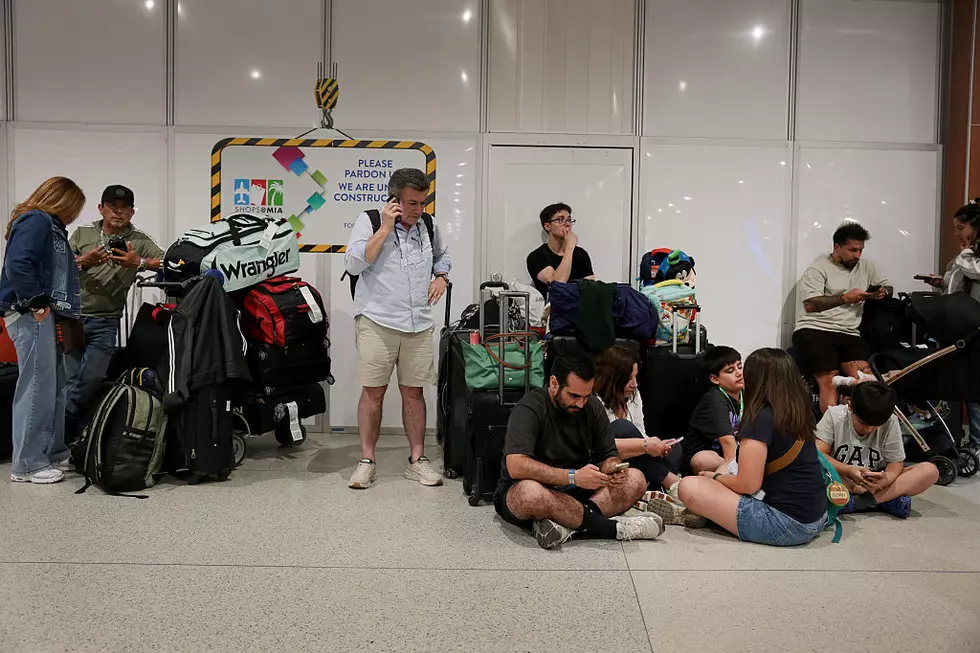
Transportation Secretary Sean Duffy blamed old equipment overloaded with data, and the Homeland Security Secretary said there was no evidence of an attack. Still, for those of us who remember September 11, 2001, an empty sky sets off alarms. Tuesday’s test is a good reminder that officials practice for the worst so they can respond in the moment.
Are You Ready at Home?
The Washington Emergency Management Division recommends that households be “Two Weeks Ready,” with enough food, water, and supplies to be on your own for two weeks. It also suggests a grab-and-go bag for each family member and pet.
That sounds like a lot, so start small. Add a can of food to your cart each time you shop. Plan on 14 gallons of water per person, and don’t forget medications and pet food. Here in North Central Washington, wildfire smoke, power outages, and winter storms are real possibilities.
Tuesday’s alert is just a test. Use it as a nudge to check your flashlights, batteries, and supplies. And thank you to the first responders and emergency crews who keep us safe every day.
LOOK: See how much gasoline cost the year you started driving
Gallery Credit: Sophia Crisafulli
federal
The Week That Was: In Photos (Nov. 13, 2026)
More From NewsRadio 560 KPQ